Warm Layered Pinto Bean Dip

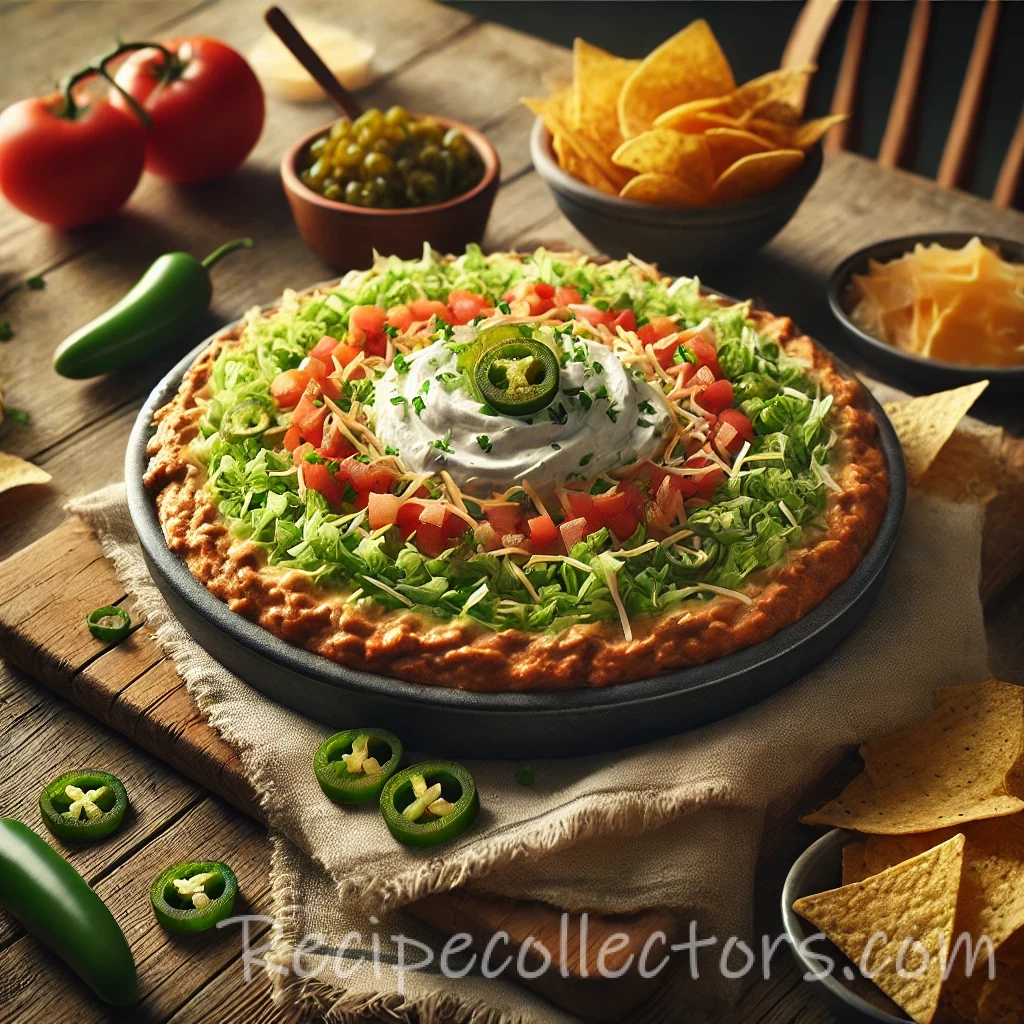
Layered pinto bean dip with guacamole, sour cream, salsa, cheese and fresh toppings

Warm Layered Pinto Bean Dip

A colorful Tex-Mex dip with seasoned pinto beans, melted cheddar, guacamole, sour cream, salsa and fresh toppings. Serve it with tortilla chips or vegetable sticks at parties, game nights or family gatherings.
Couverts4 servings
Preparation 15 minutes
Preparation time:10 minutes
Cooling Time 5 minutes
estimated costs pp $1.75
Deel op Facebook Print Recipe

Equipment

  • Baking dish (8-inch),
  • Knife
  • Mixing bowl
  • Potato masher
  • spoon

Ingredients

Instructions

  • Preheat the oven to 180ยฐC.
  • Place the drained pinto beans in a mixing bowl.
  • Mash the beans until mostly smooth.
  • Add the cumin, garlic powder, half of the chilli powder, salt and black pepper.
  • Mix until evenly combined.
  • Spread the seasoned beans in an 8-inch baking dish.
  • Sprinkle the shredded cheddar evenly over the beans.
  • Bake for 8 to 10 minutes until the beans are hot and the cheese has melted.
  • Remove the dish from the oven.
  • Allow it to cool for 5 minutes.
  • Spread the sour cream over the warm cheese.
  • Add the guacamole in an even layer.
  • Spoon the salsa over the guacamole.
  • Top with the black olives, spring onions and diced tomato.
  • Sprinkle with the remaining chilli powder.
  • Serve immediately with tortilla chips or fresh vegetable sticks.

Notes & Wine Advice

Serving Suggestions

Serve the dip with tortilla chips, cucumber slices, celery sticks, mini peppers or carrot sticks. Tortilla chips are not included in the nutritional calculation.

Recipe Notes

Only bake the bean and cheese layers. Adding the sour cream and guacamole after baking preserves their fresh flavor, color and creamy texture. Draining and rinsing the beans also prevents the base from becoming watery.

Dietary Information

Use cheddar made with microbial or vegetarian rennet to keep the dip vegetarian. The recipe can suit egg-free, gluten-free, nut-free and soy-free diets, but only when the salsa, guacamole, sour cream, cheese and seasonings carry suitable allergen information. Check every packaged product for ingredients and cross-contamination warnings.

Nutrition Information

The revised estimate is approximately 275 calories per serving before adding tortilla chips. The original estimate of 210 calories may assume smaller servings or reduced quantities of cheese, sour cream and guacamole. Sodium varies considerably according to the beans, salsa, olives and cheese used.

Variations

Add pickled jalapeรฑos for more heat or replace the pinto beans with black beans. Use Greek yogurt instead of sour cream for a slightly lighter topping. Fresh coriander can be added immediately before serving.

Storage

Refrigerate leftovers within 2 hours and use them within 2 days. Cover the dish tightly. The guacamole may darken and the fresh toppings may release moisture, so the dip tastes best on the day it is prepared. Freezing is not recommended.

Wine Advice

A chilled Sauvignon Blanc complements the salsa and fresh toppings while cutting through the creamy layers. A dry Riesling also works well when jalapeรฑos are added. Explore suitable wines at Renรฉโ€™s Wijnbeleving.

Nutrition values

Serving: 230 g | Calories: 275 kcal | koolhydraten: 29 g | Eiwitten: 11 g | Vet: 14 g | Verzadigd vet: 6 g | Natrium: 690 mg | Suiker: 4 g
————————————————————————————————–

Layered pinto bean dip combines warm seasoned beans and melted cheddar with cool sour cream, guacamole, salsa and crisp fresh toppings. Every layer contributes something different, from the creamy bean base and rich cheese to juicy tomato, salty olives and fresh spring onions. The result makes an inviting appetizer for parties, game days and informal family gatherings.

This recipe produces four generous servings. You can double the ingredients and use a larger baking dish when preparing food for a crowd. Serve it with tortilla chips for a classic combination or add fresh vegetable sticks for a lighter dipping option.

Preparing the Pinto Bean Base

Drain and rinse the canned pinto beans before mashing them. Rinsing removes some of the salty canning liquid and prevents the base from becoming watery. Mash the beans until mostly smooth, leaving a few small pieces for texture.

Cumin, garlic powder and chilli powder give the beans a warm Tex-Mex character. Taste the mixture before adding extra salt because canned beans and cheese can already contain substantial sodium. Spread the mixture evenly so every serving includes the same amount.

If you prefer to prepare the beans from scratch, the Authentic Mexican Refried Beans make a flavorful alternative to the simple mashed base.

Layered Pinto Bean Dip

Bake only the bean base and cheddar. This approach warms the beans and melts the cheese without exposing the sour cream and guacamole to unnecessary heat. Baked guacamole can lose its fresh color, while sour cream may separate when it becomes too hot.

Let the hot layers cool for approximately five minutes before adding the remaining ingredients. The dip should remain warm, but it should not feel hot enough to melt the sour cream. Use the back of a spoon or a small spatula to spread each creamy layer carefully.

Add the salsa after the guacamole. Choose a thick salsa and drain excess liquid if necessary. A thin, watery product can run through the layers and make the dip difficult to scoop.

Fresh Toppings and Texture

Black olives provide a salty contrast, while spring onions add mild sharpness. Removing the seeds and watery center from the tomato helps the topping stay fresh and prevents liquid from pooling on the surface.

This Tex-Mex bean dip can also include fresh coriander, diced jalapeรฑo or pickled chilli slices. Add these ingredients immediately before serving so they retain their color and texture.

Serve the dip with homemade Tortilla Chips and Guacamole when you want a larger snack platter. The flavors also complement the Tex-Mex Fiesta Pizza at a casual party or game-day meal.

Choosing Vegetarian Ingredients

Cheddar does not automatically suit a vegetarian diet. Some manufacturers use animal rennet during production. Choose cheddar made with microbial or vegetarian rennet and check the ingredient label rather than relying on the cheese name.

The recipe contains dairy and lactose because it includes cheddar and sour cream. It can suit an egg-free, gluten-free, nut-free or soy-free diet only when every packaged ingredient meets the necessary requirements. Salsa, guacamole and seasoning blends may carry allergen warnings from shared production facilities.

Portions and Nutrition

One serving equals approximately one-quarter of the complete dip. This portion provides an estimated 275 calories before adding tortilla chips. Sour cream, cheese and guacamole supply most of the fat, while beans provide carbohydrates, fibre and protein.

The sodium content depends strongly on the beans, salsa, olives and cheese. Choose no-salt-added beans and reduced-sodium salsa when you need greater control. Rinsing canned beans can also remove part of their surface sodium.

Storage and Safe Serving

Serve the dip soon after assembling it. Do not leave dairy-based toppings at room temperature for more than two hours. At warm outdoor gatherings, return the dish to the refrigerator sooner.

Cover leftovers and refrigerate them for up to two days. The guacamole may darken and the vegetables may release moisture, so the texture remains best on the first day. Freezing is unsuitable because sour cream, guacamole and fresh tomato can separate after thawing.

Use clean utensils for serving and avoid returning used dipping chips to the dish. The FDA provides more advice in its safe food-handling guidance.

Warm beans, melted cheese and colorful chilled toppings make layered pinto bean dip easy to recognize and enjoyable to share. Its straightforward preparation and flexible garnishes suit everything from Cinco de Mayo celebrations to movie nights and relaxed weekend gatherings.
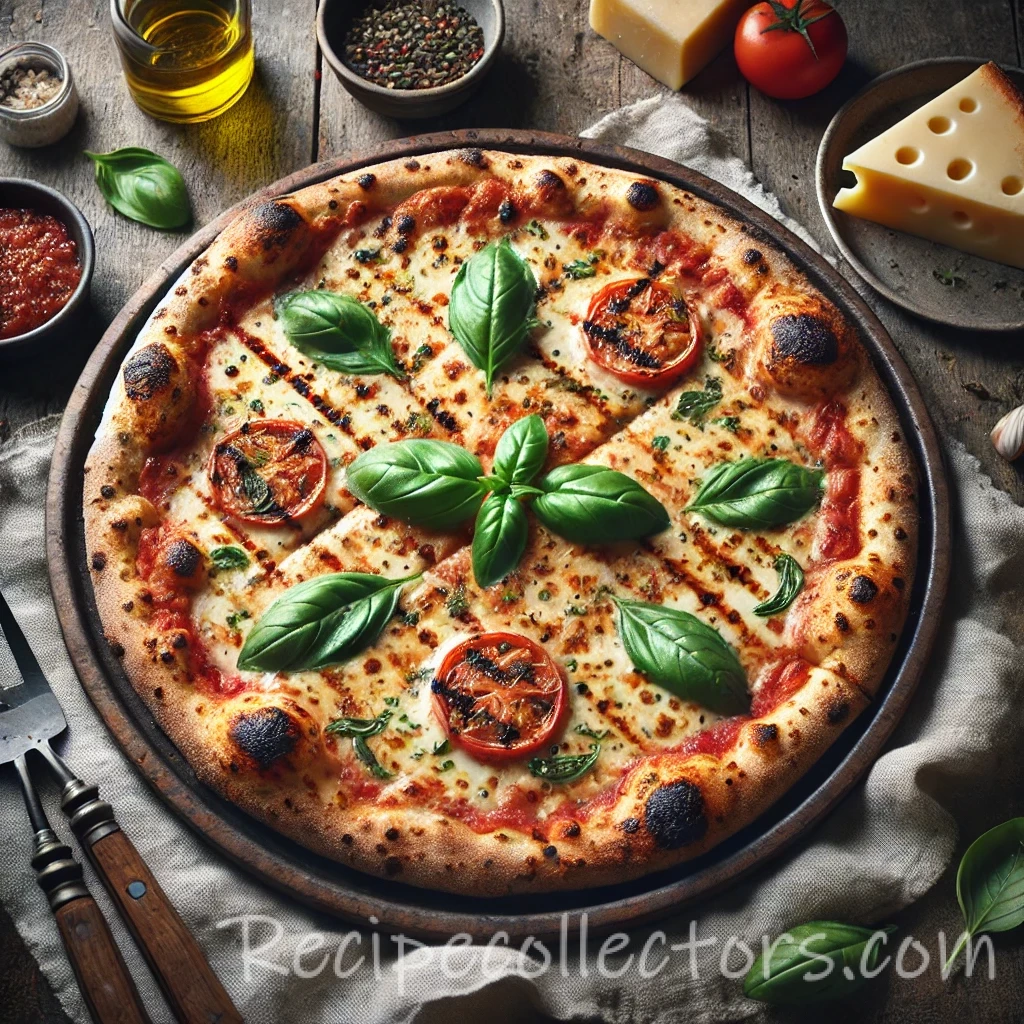
Basil Pesto Pizza

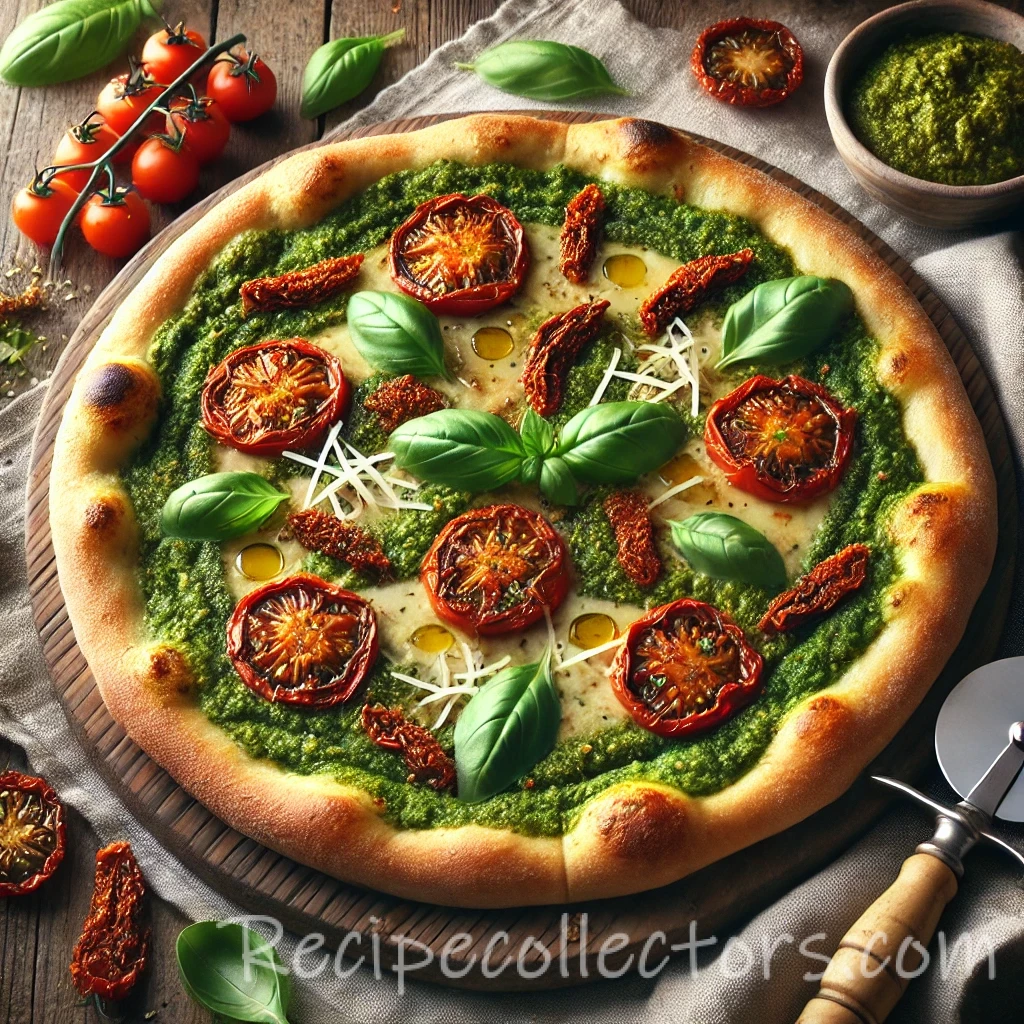
Basil pesto pizza with fresh mozzarella and pine nuts

Basil Pesto Pizza

Basil Pesto Pizza combines fragrant pesto, creamy fresh mozzarella, toasted pine nuts, and fresh basil on a crisp gluten-free crust.
Couverts4 servings
Preparation 15 minutes
Preparation time:15 minutes
estimated costs pp $3.25
Deel op Facebook Print Recipe

Equipment

  • Baking sheet or pizza stone
  • Knife
  • Rolling Pin
  • spoon

Ingredients

  • For the Pizza Base
  • 1 gluten-free pizza crust
  • 1 tablespoon extra-virgin olive oil
  • For the Toppings
  • 100 g vegetarian basil pesto
  • 200 g fresh mozzarella cheese sliced
  • 2 tablespoons pine nuts
  • 1 tablespoon fresh basil leaves chopped
  • Salt to taste
  • Black pepper to taste

Instructions

  • Prepare the Pizza Base
  • Preheat the oven to 220ยฐC (425ยฐF).
  • Place the pizza crust on a baking sheet or preheated pizza stone.
  • Brush the crust evenly with the extra-virgin olive oil.
  • Add the Toppings
  • Spread the basil pesto in a thin, even layer over the pizza crust.
  • Arrange the mozzarella slices over the pesto.
  • Sprinkle the pine nuts evenly over the pizza.
  • Season lightly with salt and black pepper.
  • Bake and Serve
  • Bake for 12 to 15 minutes, or until the crust is golden and the mozzarella has melted.
  • Remove the pizza from the oven.
  • Scatter the chopped fresh basil over the top.
  • Allow the pizza to rest for 2 minutes.
  • Cut into four equal portions.
  • Serve immediately.

Notes & Wine Advice

Serving Suggestions

Serve with mixed salad leaves, tomato salad, grilled vegetables, or marinated olives. A few fresh cherry tomatoes can be added after baking for extra colour and acidity.

Recipe Notes

Drain the fresh mozzarella and pat it dry before placing it on the pizza. Excess moisture can make the crust soggy. Use pesto prepared with vegetarian hard cheese because traditional Parmesan may contain animal rennet.

Variations

Add roasted tomatoes, artichoke hearts, courgette, mushrooms, or red onion. Walnuts can replace the pine nuts, while dairy-free pesto and vegan mozzarella can be used for a vegan variation.

Storage

Store leftover pizza in an airtight container in the refrigerator for up to two days. Reheat it in a hot oven or dry frying pan until the crust is crisp and the mozzarella has melted again.

Wine Advice

A crisp Pinot Grigio complements the basil, mozzarella, and pine nuts. A mild Sauvignon Blanc is another refreshing choice.

Nutrition values

Serving: 1 1/4 pizza | Calories: 330 kcal | koolhydraten: 28 g | Eiwitten: 14 g | Vet: 22 g | Verzadigd vet: 8 g | Natrium: 620 mg | Suiker: 3 g
————————————————————————————————–
Course; Cheese / Main Course / Nuts / Oven / Pizza
Cuisine; Italian
Season: Summer

Basil pesto pizza replaces traditional tomato sauce with a fragrant layer of pesto and combines it with fresh mozzarella, pine nuts, and basil. The simple topping allows every ingredient to remain clearly recognisable. A crisp gluten-free crust provides contrast to the creamy cheese, while toasted nuts add texture and a warm, savoury flavour.

An Italian Pizza Without Tomato Sauce

Pesto is traditionally associated with Liguria in northern Italy and commonly contains basil, pine nuts, garlic, hard cheese, and olive oil. Using it as a pizza sauce creates a fresher and more aromatic result than a conventional tomato base.

Pesto has a concentrated flavour and contains plenty of oil, so only a thin layer is needed. Spreading it too generously can make the pizza greasy and overpower the mild mozzarella. Leave a small border around the edge so the crust can become golden and crisp.

Explore more regional dishes among the Italian recipes or find other topping combinations in the pizza collection.

Choosing the Pesto

Homemade pesto provides the freshest basil flavour, but good-quality prepared pesto also works. Check the ingredient list carefully when dietary restrictions apply. Traditional pesto may contain Parmesan or another hard cheese made with animal rennet, which is not suitable for strict vegetarians.

Choose a pesto specifically labelled vegetarian when needed. It should have a fresh green colour and a balanced flavour of basil, garlic, nuts, and cheese. If oil has separated during storage, stir it thoroughly before measuring and spreading.

Pesto can darken when exposed to high heat. Most of it is protected beneath the mozzarella, but the pizza should still be removed once the crust is golden and the cheese has melted. Overbaking can make the herbs taste bitter.

Keeping the Crust Crisp

Fresh mozzarella retains more moisture than pre-shredded pizza cheese. Drain it thoroughly, slice it, and pat each piece dry with kitchen paper. Allowing the slices to rest in a strainer for fifteen minutes removes even more liquid.

Arrange the mozzarella with a little space between the pieces. Covering the entire surface traps moisture and may produce a soft centre. A fully preheated pizza stone gives the best result, although a sturdy metal baking sheet is a practical alternative.

If the gluten-free base is particularly soft, pre-bake it for three to five minutes before adding the pesto. Follow the instructions supplied with the crust because gluten-free products can vary considerably in texture and baking requirements.

Adding Pine Nuts and Fresh Basil

Pine nuts develop a deeper flavour as they toast in the oven. Distribute them evenly so each portion receives some crunch. Watch them closely near the end of baking because their high oil content means they can brown quickly.

Fresh basil is added after the pizza leaves the oven. This protects its colour and delicate aroma. Tear or chop the leaves just before serving and scatter them over the melted mozzarella.

This mozzarella pesto pizza pairs well with mixed salad leaves, fresh tomatoes, grilled vegetables, or marinated olives. Discover more dishes featuring this creamy ingredient in the cheese recipes section.

Variations and Food Safety

Roasted cherry tomatoes provide acidity and colour, while artichoke hearts, mushrooms, courgette, or red onion create a more substantial topping. Walnuts can replace the pine nuts, although the flavour will become earthier.

A vegan variation can be made with dairy-free pesto and vegan mozzarella. Check all labels carefully because pesto, cheese substitutes, and gluten-free crusts may contain unexpected allergens.

Keep mozzarella and opened pesto refrigerated until needed. Prepare the pizza on clean surfaces and refrigerate leftovers promptly. Additional practical information is available in the FDA safe food handling guidance.

Storage and Reheating

Store leftover pizza in an airtight container in the refrigerator for up to two days. Reheat it in a hot oven or dry frying pan until the base is crisp and the mozzarella is thoroughly heated. A microwave is faster but usually produces a softer crust.

Add new basil leaves after reheating because the original garnish may darken during storage. With its aromatic pesto, creamy mozzarella, and crunchy pine nuts, basil pesto pizza makes a simple but flavourful meal for lunch, dinner, or a summer gathering.


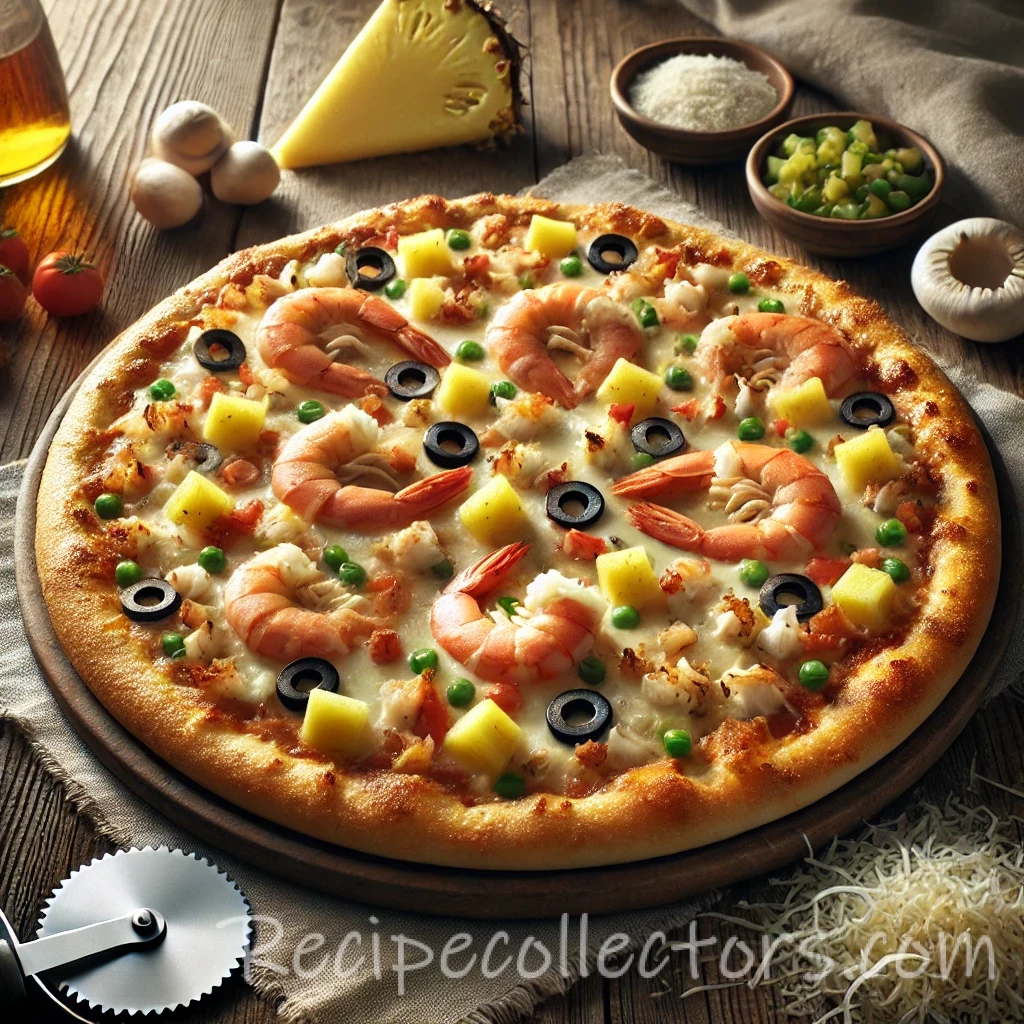
Pineapple Shrimp Pizza

Pineapple shrimp pizza with mozzarella, onion and cilantro

Pineapple Shrimp Pizza

Pineapple Shrimp Pizza combines juicy shrimp, sweet pineapple, mozzarella, tomato sauce, red onion, cilantro, and chilli flakes on a crisp gluten-free crust.
Couverts4 servings
Preparation 20 minutes
Preparation time:15 minutes
estimated costs pp $4.00
Deel op Facebook Print Recipe

Equipment

  • Baking sheet or pizza stone
  • Bowl, medium
  • Knife
  • Paper towels
  • Rolling Pin

Ingredients

Instructions

  • Prepare the Pizza Base
  • Preheat the oven to 220ยฐC (425ยฐF).
  • Place the pizza crust on a baking sheet or preheated pizza stone.
  • Brush the crust evenly with 1 tablespoon extra-virgin olive oil.
  • Spread the tomato sauce in a thin layer over the crust.
  • Prepare the Toppings
  • Pat the shrimp and pineapple dry with paper towels.
  • Place the shrimp in a medium bowl.
  • Add the remaining tablespoon extra-virgin olive oil.
  • Season lightly with salt and black pepper.
  • Toss until evenly coated.
  • Assemble and Bake
  • Arrange the shrimp, pineapple, and red onion evenly over the tomato sauce.
  • Sprinkle the mozzarella over the toppings.
  • Bake for 12 to 15 minutes, or until the crust is golden, the cheese has melted, and the shrimp are opaque and fully cooked.
  • Remove the pizza from the oven.
  • Scatter the cilantro and chilli flakes over the top.
  • Cut into four equal portions.
  • Serve immediately.

Notes & Wine Advice

Serving Suggestions

Serve with a mango salad, citrus-dressed green salad, grilled vegetables, or fresh tropical fruit. Lime wedges can be served alongside the pizza for an extra burst of acidity.

Recipe Notes

Pat the shrimp and pineapple thoroughly dry before adding them to the pizza. Excess moisture can soften the crust. Use raw peeled shrimp of a similar size so they cook evenly, and remove the pizza only when the shrimp are opaque and completely cooked.

Variations

Add sliced bell pepper, jalapeรฑo, mango, or spring onion. Replace the mozzarella with Monterey Jack for a stronger flavour. Cooked shrimp may be used, but add them during the final 5 minutes to prevent overcooking.

Storage

Store leftover pizza in an airtight container in the refrigerator for up to one day. Reheat it in a hot oven or dry frying pan until the crust is crisp and the shrimp are thoroughly heated. Do not repeatedly reheat seafood.

Wine Advice

A chilled Sauvignon Blanc complements the shrimp, pineapple, and cilantro. A dry Riesling or crisp light beer is also suitable.

Nutrition values

Serving: 1 1/4 pizza | Calories: 350 kcal | koolhydraten: 30 g | Eiwitten: 24 g | Vet: 18 g | Verzadigd vet: 7 g | Natrium: 700 mg | Suiker: 7 g
————————————————————————————————–

Pineapple shrimp pizza combines juicy seafood, sweet tropical fruit, melted mozzarella, tomato sauce, red onion, cilantro, and chilli flakes. The result is sweet, savoury, fresh, and gently spicy. A crisp gluten-free crust provides the base for this colourful fusion of Hawaiian-inspired toppings and Italian pizza traditions.

Sweet and Savoury Flavours

Shrimp have a mild flavour that works well with pineapple. The fruit adds sweetness and acidity, while red onion supplies a sharper contrast. Chilli flakes prevent the topping from becoming overly sweet, and fresh cilantro provides a bright finish after baking.

Mozzarella has a mild, creamy flavour that brings the different ingredients together without overpowering the shrimp. Tomato sauce adds savoury depth, but only a thin layer is needed. Too much sauce can dominate the pineapple and make the centre of the crust soft.

Explore more creative combinations among the pizza recipes or find other meal ideas in the shrimp recipes collection.

Preventing a Soggy Crust

Both shrimp and pineapple contain plenty of moisture. Drain the pineapple thoroughly and pat the pieces dry with kitchen paper. The shrimp should also be dried before being coated with olive oil and seasoning.

Arrange the toppings evenly without covering every part of the crust. Leaving small spaces helps moisture escape during baking. A preheated pizza stone produces the crispest base, although a sturdy metal baking sheet also works.

If the gluten-free crust is particularly soft, pre-bake it for three to five minutes before adding the sauce and toppings. This gives it enough structure to support the shrimp, fruit, vegetables, and cheese.

Cooking Shrimp Safely

Use peeled and deveined raw shrimp of approximately the same size. This ensures they cook evenly during the short baking time. The shrimp are ready when they become opaque and firm, with no translucent grey areas remaining.

Avoid using very large shrimp because they may require longer than the crust and cheese. Smaller or medium shrimp are easier to distribute and cook more evenly. If using previously cooked shrimp, add them during the final five minutes so they do not become dry and rubbery.

Keep raw seafood separate from ready-to-eat ingredients and clean knives, bowls, work surfaces, and hands thoroughly. Refrigerate shrimp until needed and store leftovers promptly. Additional information is available in the FDA safe food handling guidance.

Serving This Tropical Pizza

This tropical seafood pizza is particularly suitable for a summer meal, outdoor gathering, or relaxed family dinner. Serve it with mango salad, citrus-dressed greens, grilled vegetables, or fresh tropical fruit. Lime wedges provide extra acidity and can be squeezed over individual slices.

A chilled Sauvignon Blanc complements the fresh cilantro and shrimp while balancing the sweetness of the pineapple. A dry Riesling works well with the chilli flakes, while a crisp light beer is suitable for an informal meal.

For more recipes featuring fish and shellfish, visit the seafood collection.

Variations and Extra Toppings

Add thinly sliced bell pepper, spring onion, jalapeรฑo, or mango for extra colour and flavour. Monterey Jack can replace the mozzarella when a stronger and slightly richer cheese is preferred. A small amount of smoked paprika gives the shrimp a warmer flavour.

For additional heat, increase the chilli flakes or add finely sliced fresh chilli after baking. Avoid using too many extra toppings because they can hide the shrimp and release additional moisture onto the crust.

Dietary Notes and Storage

Use a certified gluten-free pizza crust, tomato sauce, cheese, and seasonings when preparing the recipe for someone who must avoid gluten. The dish is suitable for pescatarians but not for people with shellfish or dairy allergies.

Store leftover pizza in an airtight container in the refrigerator for no more than one day. Reheat it once in a hot oven or dry frying pan until the shrimp are thoroughly heated and the base becomes crisp. Repeated reheating is not recommended.

With its sweet pineapple, savoury shrimp, melted cheese, and gentle chilli heat, pineapple shrimp pizza offers a colourful fusion meal that is especially enjoyable during summer.


Smoky Grilled Veggie Pizza

Grilled veggie pizza with mozzarella, bell pepper and basil

Smoky Grilled Veggie Pizza

Smoky Grilled Veggie Pizza features a crisp barbecue-cooked crust topped with tomato sauce, melted mozzarella, bell pepper, red onion, and fresh basil.
Couverts4 servings
Preparation 15 minutes
Preparation time:12 minutes
estimated costs pp $2.75
Deel op Facebook Print Recipe

Equipment

  • Grill or barbecue
  • Pizza stone or grilling tray
  • Rolling Pin
  • Spatula or pizza peel
  • Tongs

Ingredients

Instructions

  • Prepare the Pizza Base
  • Preheat the grill to medium-high heat, approximately 200ยฐC (400ยฐF).
  • Roll the pizza dough into an even circle on a lightly floured surface.
  • Brush both sides of the dough with 1 tablespoon extra-virgin olive oil.
  • Carefully place the dough on the grill grates or grilling tray.
  • Grill for 2 to 3 minutes, or until the underside is firm and marked.
  • Turn the pizza base over with tongs or a spatula.
  • Add the Toppings
  • Spread the tomato sauce in a thin layer over the grilled side.
  • Sprinkle the mozzarella evenly over the sauce.
  • Arrange the bell pepper and red onion over the cheese.
  • Finish Grilling
  • Close the grill lid.
  • Cook for 6 to 8 minutes, or until the crust is crisp and the mozzarella has melted.
  • Remove the pizza carefully from the grill.
  • Drizzle with the remaining tablespoon extra-virgin olive oil.
  • Scatter the fresh basil leaves over the top.
  • Season with salt and black pepper.
  • Cut into four equal portions and serve immediately.

Notes & Wine Advice

Serving Suggestions

Serve with grilled vegetables, an arugula salad, marinated olives, or a fresh tomato salad. Place the pizza in the centre of the table and serve it immediately while the crust remains crisp.

Recipe Notes

Make sure the grill is clean and fully preheated before adding the dough. Keep all toppings prepared and within reach because the first side cooks quickly. Use only a thin layer of tomato sauce to prevent the grilled crust from becoming soft.

Variations

Add sliced mushrooms, courgette, chilli flakes, or olives. Provolone can replace part of the mozzarella for a stronger flavour. Pesto may replace the tomato sauce when a fresher, herb-based pizza is preferred.

Storage

Store leftover pizza in an airtight container in the refrigerator for up to two days. Reheat it on the grill, in a hot oven, or in a dry frying pan until the crust is crisp and the cheese has melted again.

Wine Advice

A chilled Pinot Grigio complements the fresh vegetables and smoky crust. Sauvignon Blanc or a refreshing pale ale is also suitable.

Nutrition values

Serving: 1 1/4 pizza | Calories: 320 kcal | koolhydraten: 28 g | Eiwitten: 18 g | Vet: 18 g | Verzadigd vet: 8 g | Natrium: 650 mg | Suiker: 5 g
————————————————————————————————–

Grilled veggie pizza combines a crisp, lightly smoky crust with tomato sauce, melted mozzarella, sweet bell pepper, red onion, and fresh basil. Cooking pizza on a barbecue gives the base attractive grill marks and a flavour that is difficult to reproduce in a conventional oven. It is a practical choice for outdoor cooking, summer gatherings, or a relaxed family dinner.

Why Grill a Pizza?

A hot grill cooks pizza dough quickly and creates a crisp base with a soft, slightly chewy centre. Direct contact with the grill grates adds smoky flavour and distinctive charred lines. Closing the lid after adding the toppings traps heat around the pizza, helping the mozzarella melt while the underside continues to cook.

This technique works well when you want to cook outdoors without heating the kitchen. It also allows pizza to become part of a larger barbecue meal. Browse more ideas in the barbecue recipes collection or explore traditional combinations among the Italian recipes.

Preparing the Dough

Roll the dough into an even circle that fits comfortably on the grill. An irregular shape is not a problem, but the thickness should remain consistent. Thin areas can burn before thicker sections are cooked, while an overly thick base may remain doughy inside.

Brush both sides lightly with olive oil. This prevents sticking, encourages browning, and helps the crust develop a crisp surface. Avoid using too much oil because it can drip onto the flames and cause flare-ups.

Keep the grill grates clean and preheat them thoroughly. When using gluten-free dough, a grilling tray or pizza stone may be easier than placing the soft dough directly on the grates. Different gluten-free doughs behave differently, so follow any specific handling instructions on the packaging.

Work Quickly After Flipping

The first side of the crust only needs two or three minutes. Once it feels firm and releases easily from the grates, turn it carefully with tongs, a spatula, or a pizza peel. The grilled side now becomes the surface for the toppings.

Have the tomato sauce, cheese, and vegetables prepared before the dough goes onto the grill. After turning the crust, you need to add everything quickly. Spread only a thin layer of sauce because excessive moisture can soften the base.

Use clean utensils and preparation surfaces, keep mozzarella refrigerated until needed, and store leftovers promptly. More practical advice is available in the FDA safe food handling guidance.

Balancing the Toppings

Mozzarella provides a mild flavour and smooth melted texture. Thinly sliced bell pepper adds sweetness, while red onion brings a sharper contrast. Slice both vegetables finely so they become tender during the short grilling time.

Fresh basil should be added after cooking. Direct heat can darken the leaves and reduce their aroma. The remaining olive oil is also drizzled over the finished pizza, where its flavour remains fresh and noticeable.

This barbecue vegetable pizza pairs well with arugula salad, grilled courgette, marinated olives, or tomato salad. Find more topping inspiration in the pizza recipes collection.

Variations for the Grill

Add mushrooms, sliced courgette, olives, artichoke hearts, or chilli flakes. Vegetables containing plenty of moisture should be sliced thinly or grilled separately before being added. This prevents them from releasing too much liquid onto the crust.

Pesto can replace the tomato sauce for a fresh herb flavour. Provolone may replace part of the mozzarella when a stronger cheese is preferred. Roasted garlic, Parmesan, or balsamic glaze can be added after grilling.

Storage and Reheating

Store leftover pizza in an airtight container in the refrigerator for up to two days. Reheat it briefly on the grill, in a hot oven, or in a dry frying pan. These methods restore the crisp base more effectively than a microwave.

When reheating on the barbecue, use moderate heat and close the lid for several minutes. Watch the underside carefully because an already-cooked crust can burn quickly. Add fresh basil only after the slice is hot.

With its smoky crust, colourful vegetables, and melted cheese, grilled veggie pizza is a straightforward Italian-inspired meal made especially for outdoor cooking.


New Orleans Muffuletta Pizza

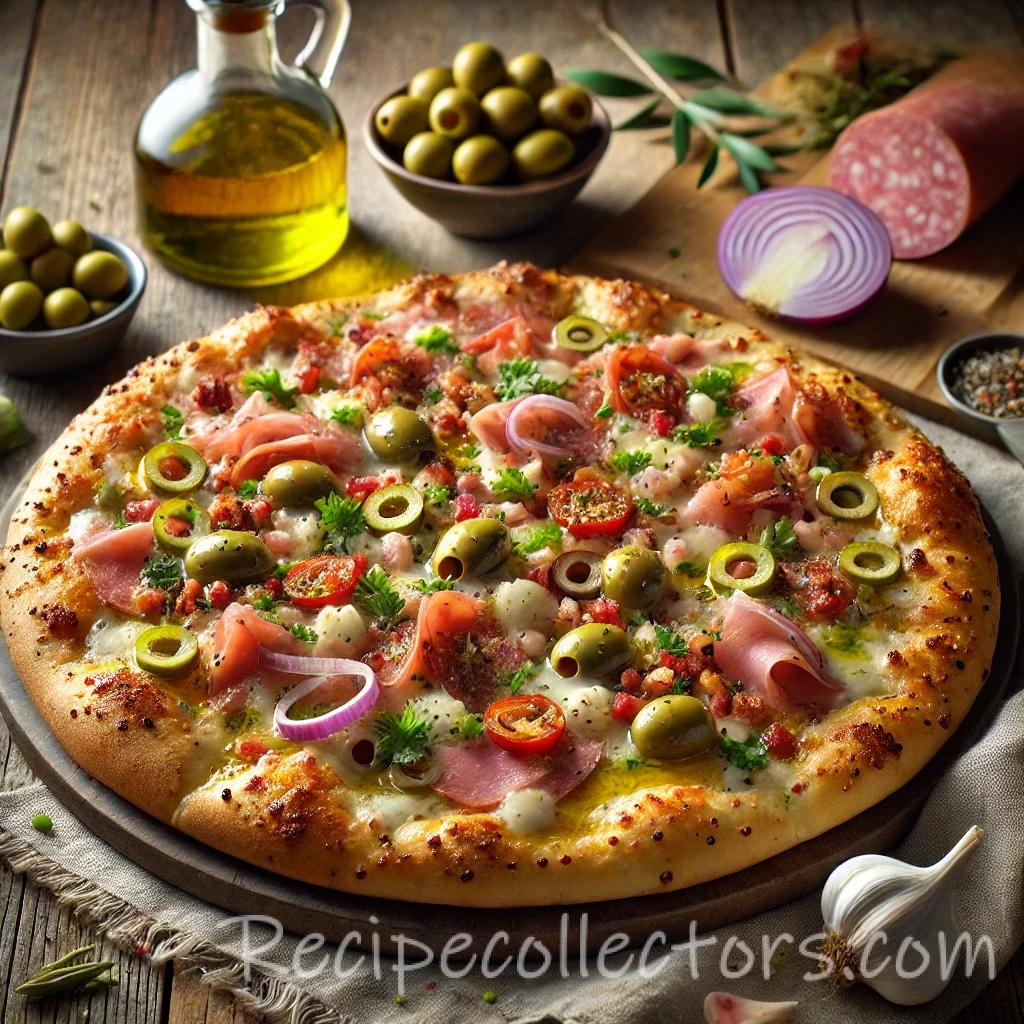
Muffuletta pizza with salami, ham, cheese and olives

New Orleans Muffuletta Pizza

New Orleans Muffuletta Pizza transforms the famous sandwich into a crisp pizza topped with olive tapenade, salami, ham, provolone, mozzarella, olives, and red onion.
Couverts4 servings
Preparation 20 minutes
Preparation time:18 minutes
estimated costs pp $4.25
Deel op Facebook Print Recipe

Equipment

  • Baking sheet or pizza stone
  • Knife
  • Rolling Pin
  • spoon

Ingredients

For the Pizza Base

For the Toppings

Instructions

Prepare the Pizza Base

  • Preheat the oven to 220ยฐC (425ยฐF).
  • Place the pizza crust on a baking sheet or preheated pizza stone.
  • Brush the crust evenly with 1 tablespoon extra-virgin olive oil.

Add the Toppings

  • Spread the olive tapenade evenly over the pizza crust.
  • Arrange the salami, ham, and provolone over the tapenade.
  • Sprinkle the mozzarella over the meat and cheese.
  • Distribute the green olives, black olives, and red onion evenly over the pizza.
  • Drizzle with the remaining tablespoon extra-virgin olive oil.
  • Season lightly with black pepper.

Bake and Serve

  • Bake for 12 to 15 minutes, or until the crust is golden and the cheese has melted.
  • Remove the pizza from the oven.
  • Allow it to rest for 2 minutes.
  • Cut into four equal portions.
  • Serve hot.

Notes & Wine Advice

Serving Suggestions

Serve with a crisp green salad, tomato salad, pickled vegetables, or a cold lager. Because the pizza is rich and salty, choose a fresh side dish with a light acidic dressing.

Recipe Notes

Drain the olives and tapenade thoroughly to prevent the crust from becoming soggy. Additional salt is usually unnecessary because the salami, ham, cheese, olives, and tapenade already contain plenty. The original vegetarian classification was incorrect because this pizza contains salami and ham.

Variations

Add roasted bell pepper, artichoke hearts, or chopped giardiniera. Mortadella can replace the ham, while a spicy salami gives the pizza extra heat. For a meat-free version, omit the salami and ham and add mushrooms and roasted peppers.

Storage

Store leftover pizza in an airtight container in the refrigerator for up to two days. Reheat it in a hot oven or dry frying pan until the crust is crisp and the meat and cheese are thoroughly heated.

Wine Advice

A chilled Pinot Grigio balances the salty meat, olives, and cheese. A light Chianti or cold lager is also suitable.

Nutrition values

Serving: 1 1/4 pizza | Calories: 450 kcal | koolhydraten: 30 g | Eiwitten: 25 g | Vet: 28 g | Verzadigd vet: 12 g | Natrium: 1480 mg | Suiker: 4 g
————————————————————————————————–

Muffuletta pizza transforms the famous New Orleans sandwich into a crisp, cheese-covered meal. Olive tapenade replaces traditional tomato sauce, while salami, ham, provolone, mozzarella, green olives, black olives, and red onion create a rich and savoury topping. Every slice combines salty meat, melted cheese, sharp olives, and a crisp pizza crust.

Inspired by a New Orleans Classic

The original muffuletta sandwich is closely associated with New Orleans and its Italian immigrant community. It is traditionally made with a round sesame loaf filled with cured meats, cheese, and a strongly flavoured olive salad. This recipe keeps those recognisable fillings but serves them on a pizza base.

The olive tapenade is especially important because it provides the tangy and savoury flavour that distinguishes this pizza from a regular ham-and-salami combination. For more regional inspiration, browse the American recipes collection or explore additional ideas among the pizza recipes.

Managing Strong, Salty Ingredients

Salami, ham, provolone, olives, and tapenade all contain considerable amounts of salt. Additional salt is therefore unnecessary in most cases. Taste the tapenade and olives before assembling the pizza and use black pepper for extra seasoning instead.

Drain the green and black olives thoroughly and pat them dry with kitchen paper. Tapenade can also contain a surprising amount of oil or liquid. If it appears especially wet, allow it to drain briefly before spreading it over the crust. These small steps help prevent a greasy or soggy centre.

Spread the tapenade in a thin layer rather than using it as generously as tomato sauce. Its concentrated flavour can easily overpower the cheese and meat. A small amount distributed evenly across the base is sufficient.

Layering the Toppings

Arrange the ham, salami, and provolone evenly so every portion contains a balanced mixture. Sprinkle the mozzarella over the meat to help hold the topping together. Add the olives and thinly sliced red onion last, where they can remain visible and develop lightly browned edges.

A preheated pizza stone produces the crispest base, although a sturdy metal baking sheet also works. Let the oven become fully hot before baking. If the gluten-free crust is particularly soft, pre-bake it for three to five minutes before adding the tapenade and toppings.

Follow safe food-handling practices when preparing cured meats and cheese. Keep chilled ingredients refrigerated until needed and store leftovers promptly. More information is available in the FDA safe food handling guidance.

Serving Suggestions

This New Orleans olive pizza is rich enough to serve as a complete main course. Pair it with a crisp green salad, tomato salad, pickled vegetables, or crunchy coleslaw. A light acidic dressing helps balance the cured meat, cheese, and olives.

Pinot Grigio works well because its freshness cuts through the rich topping. A light Chianti complements the Italian-style ingredients, while a cold lager suits a relaxed game-day or weekend meal.

For other filling dishes featuring cured meats, explore the meat recipes section.

Variations and Dietary Notes

Chopped giardiniera makes an excellent addition because its pickled vegetables resemble the olive salad found in a traditional muffuletta. Roasted bell pepper and artichoke hearts provide extra colour, while spicy salami or chilli flakes add heat.

Mortadella can replace the ham for a more traditional Italian deli flavour. For a meat-free variation, omit the salami and ham and use sautรฉed mushrooms, roasted peppers, and artichokes. The dietary classifications must then be updated according to the chosen ingredients.

Use certified gluten-free crust, tapenade, salami, ham, and cheese when preparing the recipe for someone who must avoid gluten. Processed meats can contain unexpected binders or flavourings, so checking the packaging remains necessary.

Storage and Reheating

Store leftover pizza in an airtight container in the refrigerator for up to two days. Reheat slices in a hot oven or dry frying pan until the crust is crisp and the meat and cheese are thoroughly heated.

A microwave heats the pizza quickly but usually makes the crust softer. Because the topping already contains plenty of oil, no additional oil is needed during reheating. With its bold olive flavour and generous deli-style topping, Muffuletta pizza offers a distinctive alternative to conventional meat pizzas.


Spicy Beef & Black Bean Fiesta Pizza

Tex-Mex beef pizza with black beans, jalapeรฑos and cheese

Spicy Beef & Black Bean Fiesta Pizza

Spicy Beef & Black Bean Fiesta Pizza combines seasoned ground beef, black beans, jalapeรฑos, red onion, mozzarella, and cheddar on a crisp gluten-free crust.
Couverts4 servings
Preparation 20 minutes
Preparation time:18 minutes
estimated costs pp $3.50
Deel op Facebook Print Recipe

Equipment

  • Baking sheet or pizza stone
  • Frying pan
  • Knife
  • Rolling Pin
  • spatula

Ingredients

For the Pizza Base

  • 1 gluten-free pizza crust
  • 1 tablespoon extra-virgin olive oil

For the Toppings

  • 200 g ground beef
  • 80 g black beans drained and rinsed
  • 1/2 red onion thinly sliced
  • 2 jalapeรฑos thinly sliced
  • 150 g mozzarella cheese shredded
  • 50 g cheddar cheese shredded
  • 1 tablespoon gluten-free taco seasoning
  • 2 tablespoons tomato sauce
  • 2 tablespoons fresh cilantro chopped

Instructions

Prepare the Pizza Base

  • Preheat the oven to 220ยฐC (425ยฐF).
  • Place the pizza crust on a baking sheet or preheated pizza stone.
  • Brush the crust evenly with the extra-virgin olive oil.

Prepare the Toppings

  • Heat a frying pan over medium heat.
  • Add the ground beef and cook for 5 to 7 minutes, breaking it apart with a spatula, until browned and thoroughly cooked.
  • Drain any excess fat from the pan.
  • Stir the taco seasoning and tomato sauce into the beef.
  • Cook for another 2 to 3 minutes.
  • Remove the pan from the heat.

Assemble and Bake

  • Spread the seasoned beef mixture evenly over the pizza crust.
  • Distribute the black beans, sliced red onion, and jalapeรฑos over the beef.
  • Sprinkle the mozzarella and cheddar evenly over the toppings.
  • Bake for 12 to 15 minutes, or until the crust is golden and the cheese has melted.

Remove the pizza from the oven.

  • Scatter the chopped cilantro over the top.
  • Cut into four equal portions and serve hot.

Notes & Wine Advice

Serving Suggestions

Serve with guacamole, tomato salsa, sour cream, or tortilla chips. A crunchy cabbage salad or charred corn salad also pairs well with the spicy beef topping.

Recipe Notes

Drain the cooked beef before adding the taco seasoning and tomato sauce so the pizza base does not become greasy. Remove the seeds and membranes from the jalapeรฑos for milder heat. Use a certified gluten-free crust, taco seasoning, and tomato sauce when required.

Variations

Replace the ground beef with shredded chicken, turkey, or a plant-based meat substitute. Add sweetcorn, sliced olives, or diced bell pepper. Pepper Jack cheese can replace the cheddar for an even spicier topping.

Storage

Store leftover pizza in an airtight container in the refrigerator for up to two days. Reheat it in a hot oven or dry frying pan until the crust is crisp and the beef is thoroughly heated.

Wine Advice

A chilled Sauvignon Blanc balances the jalapeรฑo heat and rich melted cheese. A fruity Zinfandel or a cold pale ale is also suitable.

Nutrition values

Serving: 1 1/4 pizza | Calories: 400 kcal | koolhydraten: 30 g | Eiwitten: 28 g | Vet: 22 g | Verzadigd vet: 10 g | Natrium: 850 mg | Suiker: 4 g
————————————————————————————————–

Tex-Mex beef pizza brings seasoned ground beef, black beans, jalapeรฑos, red onion, tomato, mozzarella, and cheddar together on a crisp gluten-free crust. It combines the familiar comfort of homemade pizza with the bold spices and colourful ingredients associated with Tex-Mex cooking. Fresh cilantro added after baking gives the rich topping a bright and aromatic finish.

Bold Tex-Mex Flavours

The seasoned beef forms the savoury foundation of this pizza. Taco seasoning adds warmth and depth, while a small amount of tomato sauce keeps the meat moist without making the crust soggy. Black beans provide a soft, creamy contrast and make every portion more substantial.

Jalapeรฑos bring fresh heat that balances the richness of the beef and melted cheese. Their intensity can vary, so taste a small piece before adding them. Removing the seeds and pale inner membranes produces a milder topping, while leaving them intact creates a noticeably spicier result.

For more dishes with warming spices and colourful toppings, explore the Tex-Mex recipes collection or browse other satisfying ideas among the beef recipes.

Preparing the Beef Topping

Brown the ground beef thoroughly before assembling the pizza. Break it into small pieces with a spatula so it can be distributed evenly over the crust. Large clumps make the pizza harder to slice and may cause the toppings to slide away when a portion is lifted.

Drain excess fat from the pan before adding the taco seasoning and tomato sauce. This helps prevent a greasy or softened pizza base. Allow the seasoned mixture to cook for another two or three minutes so the sauce coats the meat and the spices have time to develop.

Ground beef must be cooked and handled safely. Keep raw meat separate from vegetables and other ready-to-eat ingredients, clean all preparation surfaces, and refrigerate leftovers promptly. Consult the FDA safe food handling guidance for additional information.

Cheese, Beans and Vegetables

Mozzarella provides a mild flavour and stretchy texture, while cheddar adds colour and a sharper finish. Mixing the two cheeses gives the pizza a balanced topping without overwhelming the seasoned beef. Sprinkle them evenly so the beans, onions, and jalapeรฑos remain in place after baking.

Rinse and drain the black beans thoroughly before using them. Patting them dry removes additional moisture that could soften the crust. Slice the red onion thinly so it becomes tender during the relatively short baking time.

This spicy black bean pizza can be served with guacamole, tomato salsa, sour cream, tortilla chips, or a crunchy cabbage salad. Charred sweetcorn also makes a colourful side dish. Discover more homemade combinations in the pizza recipes section.

Variations for Different Tastes

Replace the ground beef with shredded chicken, ground turkey, or a plant-based meat substitute. Sweetcorn, sliced olives, diced bell pepper, or pickled jalapeรฑos can be added for extra colour and texture. Pepper Jack cheese provides more heat, while mild cheddar creates a family-friendly version.

For a fresher finish, add diced avocado, chopped tomato, or extra cilantro after baking. These ingredients should not be baked because avocado may become bitter and fresh tomato can release too much liquid onto the crust.

Storage and Dietary Notes

Use a certified gluten-free pizza crust, taco seasoning, and tomato sauce when preparing the recipe for someone who must avoid gluten. Check every label carefully because spice mixtures may contain wheat or be processed where cross-contact is possible.

Store leftovers in an airtight container in the refrigerator for up to two days. Reheat slices in a hot oven or dry frying pan until the crust is crisp and the beef is thoroughly heated. Add fresh cilantro after reheating for the best flavour.

With its hearty beef, creamy beans, spicy peppers, and two melted cheeses, Tex-Mex beef pizza is particularly suitable for game day, Cinco de Mayo, family dinners, parties, or a relaxed weekend meal.


Colorful Roasted Pepper & Garlic Pizza

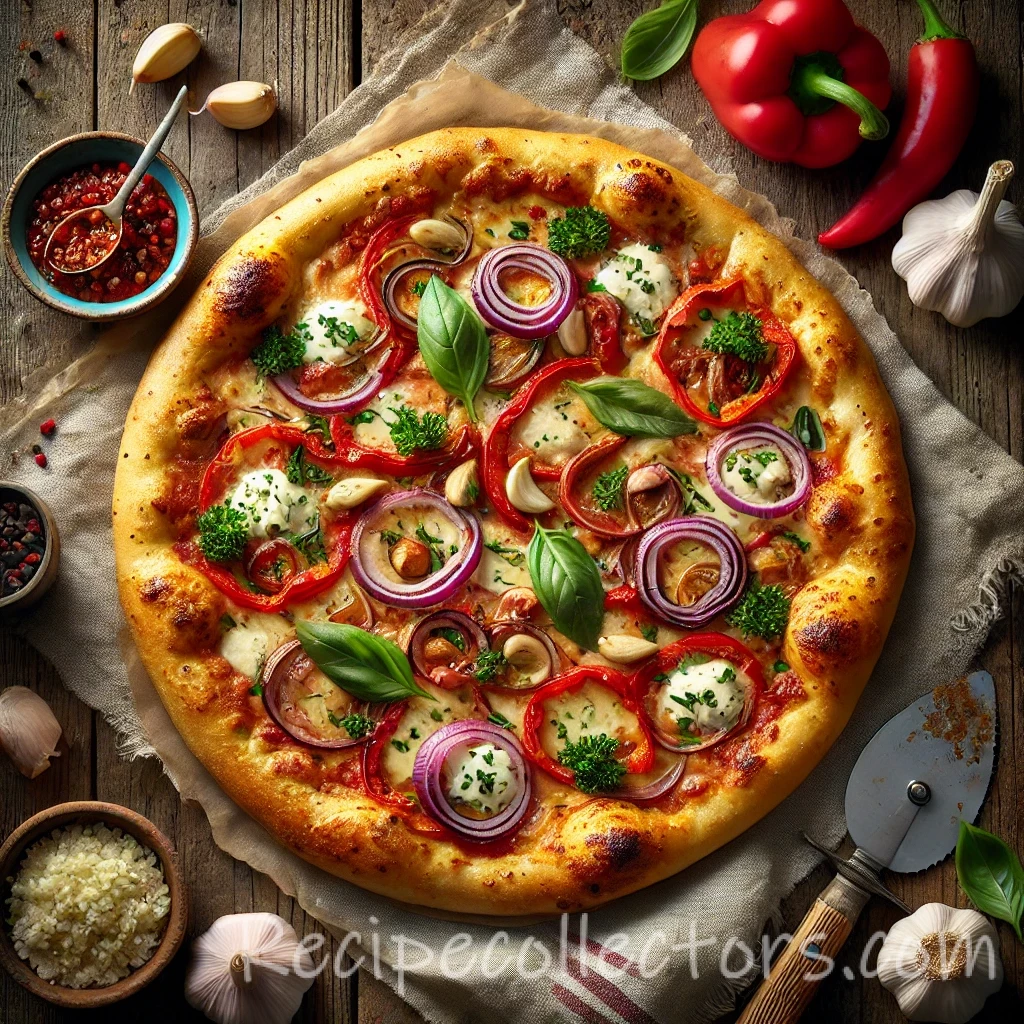
Roasted pepper garlic pizza with vegan mozzarella and basil

Colorful Roasted Pepper & Garlic Pizza

Colorful Roasted Pepper & Garlic Pizza features sweet bell peppers, creamy roasted garlic, tomato sauce, vegan mozzarella, and fresh basil on a crisp gluten-free crust.
Couverts4 servings
Preparation 20 minutes
Preparation time:18 minutes
estimated costs pp $2.75
Deel op Facebook Print Recipe

Equipment

  • Baking sheet or pizza stone
  • Knife
  • Rolling Pin
  • spoon

Ingredients

For the Pizza Base

For the Toppings

Instructions

Prepare the Pizza Base

  • Preheat the oven to 220ยฐC (425ยฐF).
  • Place the pizza crust on a baking sheet or preheated pizza stone.
  • Brush the crust evenly with 1 tablespoon extra-virgin olive oil.

Add the Toppings

  • Spread the tomato sauce in a thin, even layer over the pizza crust.
  • Distribute the mashed roasted garlic over the tomato sauce.
  • Arrange the sliced bell peppers evenly over the pizza.
  • Drizzle the toppings with the remaining tablespoon extra-virgin olive oil.
  • Season with salt and black pepper.

Bake and Finish

  • Bake for 10 minutes.
  • Sprinkle the vegan mozzarella evenly over the pizza.
  • Return the pizza to the oven and bake for another 5 to 8 minutes, or until the crust is golden and the cheese has melted.
  • Remove the pizza from the oven.
  • Scatter the chopped basil over the top.
  • Cut into four equal portions and serve hot.

Notes & Wine Advice

Serving Suggestions

Serve with a crisp green salad, grilled courgette, marinated olives, or a simple tomato and cucumber salad. Chilli oil can be offered separately for additional heat.

Recipe Notes

Pat the sliced bell peppers dry before adding them to prevent excess moisture from softening the crust. Use garlic that has already been roasted until tender and lightly caramelised. Check that the pizza crust, tomato sauce, and vegan mozzarella are certified gluten-free when required.

Variations

Use a mixture of red, yellow, and orange bell peppers for extra colour. Add sliced mushrooms, red onion, olives, or chilli flakes. Regular mozzarella can replace the vegan cheese when a dairy-free pizza is not required.

Storage

Store leftover pizza in an airtight container in the refrigerator for up to two days. Reheat it in a hot oven or dry frying pan until the crust is crisp and the topping is thoroughly heated.

Wine Advice

A crisp Sauvignon Blanc balances the sweetness of the peppers and the richness of the roasted garlic. Pinot Grigio is another suitable choice.

Nutrition values

Serving: 1 1/4 pizza | Calories: 330 kcal | koolhydraten: 32 g | Eiwitten: 7 g | Vet: 19 g | Verzadigd vet: 6 g | Natrium: 720 mg | Suiker: 5 g
————————————————————————————————–

Roasted pepper garlic pizza combines sweet bell peppers, mellow roasted garlic, tomato sauce, fresh basil, and vegan mozzarella on a crisp gluten-free base. Roasting transforms the garlic from sharp and pungent into something soft, creamy, and slightly sweet. Together with the colourful peppers, it creates a flavourful vegetable pizza that does not need meat or dairy to feel complete.

Sweet Peppers and Mellow Garlic

Bell peppers become naturally sweeter as they cook. Red, yellow, and orange varieties are particularly suitable because they have a mild flavour and create an attractive mixture of colours. Using more than one colour makes the finished pizza look vibrant without adding extra preparation.

Roasted garlic is noticeably softer than raw garlic. Its flavour becomes nutty and gently caramelised, allowing four cloves to be used without overwhelming the other toppings. Mash the roasted cloves before spreading them over the tomato sauce so that their flavour is distributed throughout the pizza.

For more meat-free inspiration, browse the vegetable recipes collection or discover other creative combinations among the pizza recipes.

Preventing a Soggy Pizza Base

Bell peppers release moisture while cooking. Slice them thinly and pat them dry before placing them on the pizza. If the peppers are especially juicy, sautรฉ them briefly in a dry frying pan before assembling the pizza. This removes some liquid and starts developing their sweetness.

Use only a thin layer of tomato sauce. Too much sauce can soften the centre of the crust, especially when using a gluten-free base. A preheated pizza stone provides the crispest result, but a sturdy metal baking sheet will also work. Allow the oven and pizza stone to become fully hot before baking.

The vegan mozzarella is added during the final minutes because some dairy-free cheeses can dry out or brown too quickly. Different brands melt differently, so check the pizza regularly near the end of the cooking time. Choose a variety designed for melting to achieve the best texture.

A Colourful Vegan Pizza

This vegan bell pepper pizza works well as a light main course for lunch, a relaxed family dinner, or a colourful addition to a party table. Serve it with a green salad, grilled courgette, marinated olives, or a tomato and cucumber salad. Chilli oil can be offered separately for anyone who enjoys additional heat.

Fresh basil should be added after baking. High oven temperatures can darken the leaves and reduce their fresh aroma. Tear or chop the basil shortly before serving and scatter it over the hot pizza. The residual heat releases its fragrance without completely wilting it.

Explore more plant-based meal ideas in the vegan recipes section. When preparing food for someone with allergies or coeliac disease, check every packaged ingredient carefully and follow the FDA safe food handling guidance.

Easy Variations

Add sliced mushrooms, red onion, artichoke hearts, or olives for a more substantial topping. Chilli flakes bring gentle heat, while capers provide a sharper, salty contrast. A small amount of dried oregano can be added to the tomato sauce for a more traditional Italian flavour.

Regular mozzarella may replace the vegan cheese when dairy does not need to be avoided. A traditional wheat crust can also replace the gluten-free base. When making either substitution, update the dietary classification so visitors receive accurate information.

Storage and Reheating

Store leftover pizza in an airtight container in the refrigerator for up to two days. Reheat the slices in a hot oven or dry frying pan until the crust becomes crisp and the topping is thoroughly heated. A microwave works quickly but usually leaves the base softer.

Add a few fresh basil leaves after reheating to restore the bright herbal aroma. With its colourful vegetables and caramelised garlic flavour, roasted pepper garlic pizza offers an easy and satisfying alternative to heavier meat-topped pizzas.


Philly Cheesesteak Pizza

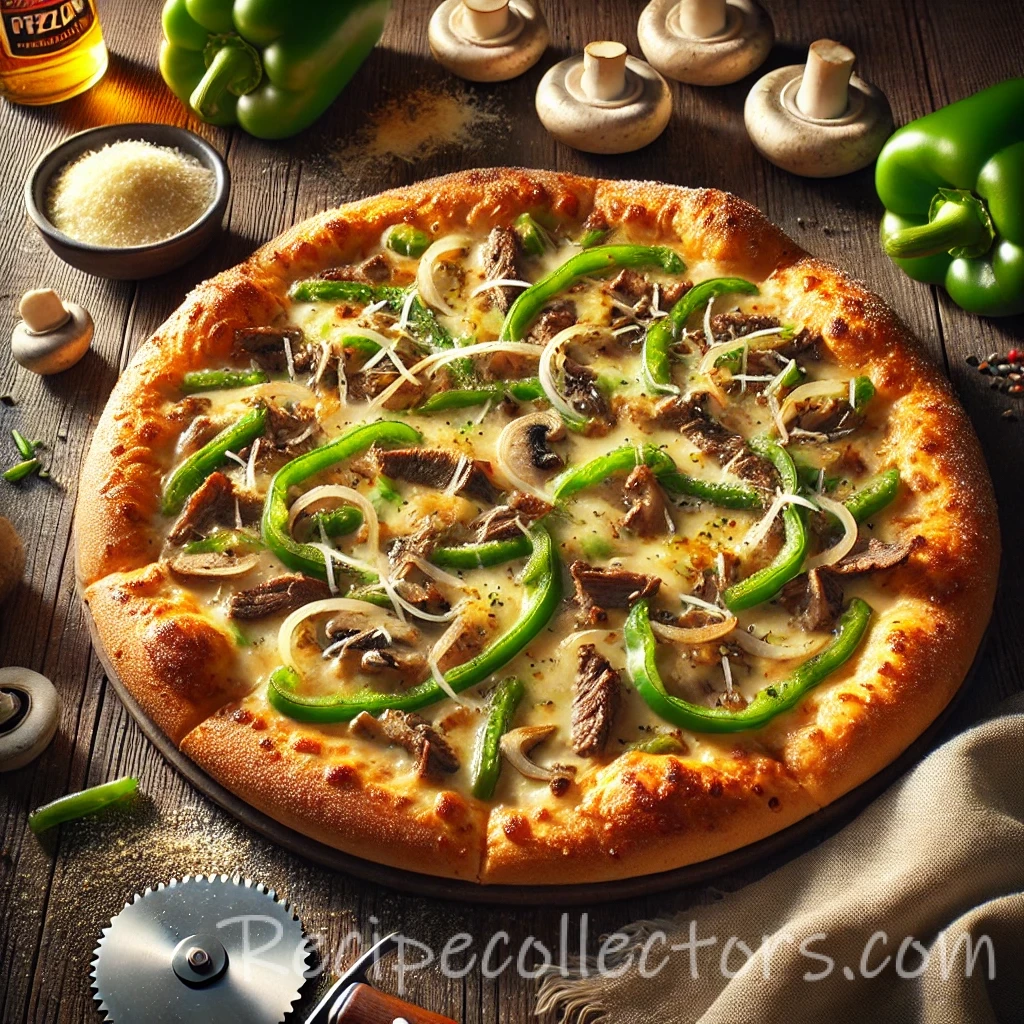
Philly cheesesteak pizza with ribeye, peppers and melted cheese

Philly Cheesesteak Pizza

Philly Cheesesteak Pizza combines tender ribeye steak, sautรฉed bell pepper and onion, creamy mustard sauce, mozzarella, and provolone on a crispy pizza crust.
Couverts4 servings
Preparation 25 minutes
Preparation time:15 minutes
estimated costs pp $4.50
Deel op Facebook Print Recipe

Equipment

  • Baking sheet or pizza stone
  • Frying pan
  • Mixing Bowl, Small
  • Rolling Pin
  • spatula

Ingredients

For the Pizza Base

  • 1 gluten-free pizza crust
  • 1 tablespoon olive oil

For the Sauce

  • 2 tablespoons mayonnaise
  • 2 tablespoons Dijon mustard

For the Toppings

  • 250 g ribeye steak thinly sliced
  • 1 bell pepper thinly sliced
  • 1/2 onion thinly sliced
  • 1 tablespoon olive oil
  • 200 g mozzarella cheese shredded
  • 100 g provolone cheese shredded
  • Salt to taste
  • Black pepper to taste

Instructions

Prepare the Pizza Base

  • Preheat the oven to 220ยฐC (425ยฐF).
  • Place the pizza crust on a baking sheet or pizza stone.
  • Brush the crust evenly with 1 tablespoon olive oil.

Prepare the Sauce

  • Combine the mayonnaise and Dijon mustard in a small mixing bowl.
  • Stir until smooth.
  • Spread the sauce evenly over the pizza crust.

Cook the Toppings

  • Heat the remaining tablespoon olive oil in a frying pan over medium heat.
  • Add the onion and bell pepper.
  • Sautรฉ for about 5 minutes, or until softened.
  • Transfer the vegetables to a plate and set aside.
  • Add the sliced ribeye to the same frying pan.
  • Cook for 2 to 3 minutes, stirring regularly, until browned.
  • Season with salt and black pepper.
  • Remove the pan from the heat.

Assemble and Bake

  • Distribute the sautรฉed onion, bell pepper, and steak over the pizza crust.
  • Sprinkle the mozzarella and provolone evenly over the toppings.
  • Bake for 12 to 15 minutes, or until the crust is golden and the cheese has melted.
  • Remove the pizza from the oven and let it rest for 2 minutes.
  • Cut into four equal portions and serve hot.

Notes & Wine Advice

Serving Suggestions

Serve with crispy fries, pickles, coleslaw, or a fresh green salad. Add hot sauce or extra Dijon mustard for a sharper finish.

Recipe Notes

Slice the ribeye very thinly so it cooks quickly and remains tender. Chilling the steak for approximately 20 minutes before slicing makes this easier. Use a certified gluten-free pizza crust, mayonnaise, mustard, and packaged cheese when preparing the recipe for someone who must avoid gluten.

Variations

Replace the ribeye with sirloin for a leaner pizza. Mushrooms can be sautรฉed with the bell pepper and onion. For a stronger cheese flavour, add extra provolone or replace part of the mozzarella with cheddar.

Storage

Store leftover pizza in an airtight container in the refrigerator for up to two days. Reheat it in a hot oven or dry frying pan until the base is crisp and the steak is thoroughly heated.

Wine Advice

A full-bodied Cabernet Sauvignon complements the beef and melted cheese. A fruity Zinfandel or a light lager is also suitable.

Nutrition values

Serving: 1 1/4 pizza | Calories: 500 kcal | koolhydraten: 32 g | Eiwitten: 28 g | Vet: 30 g | Verzadigd vet: 13 g | Natrium: 1050 mg | Suiker: 5 g
————————————————————————————————–
Course; Beef / Main Course / Meat / Oven / Pizza
Cuisine; American
Season: All Seasons

Philly cheesesteak pizza combines two American comfort-food favourites in one satisfying meal. A crisp pizza crust is covered with creamy Dijon mayonnaise, tender ribeye steak, sautรฉed bell pepper, onion, mozzarella, and provolone. The result has everything people enjoy about a cheesesteak sandwich, but with the golden base and melted topping of a homemade pizza.

Inspired by an American Classic

The traditional Philadelphia cheesesteak is known for thinly sliced beef, cooked onions, and plenty of melted cheese served in a long roll. This pizza keeps those familiar flavours while replacing the bread roll with a crisp crust. Provolone provides the characteristic sharp, savoury cheese flavour, while mozzarella creates a softer texture and an appetising melted finish.

Ribeye is particularly suitable because its marbling helps the thin slices remain juicy during cooking. Sirloin can also be used when a leaner result is preferred. For more American-inspired ideas, browse the American recipes collection or discover other hearty dishes in the beef recipes category.

Preparing Tender Steak

Thinly sliced steak cooks quickly and is less likely to become tough. Place the meat in the freezer for approximately 20 minutes before slicing it across the grain. It should become firm but not completely frozen. A sharp knife can then produce the thin strips needed for an even pizza topping.

Cook the steak briefly in a hot frying pan and remove it as soon as it has browned. It will continue cooking in the oven, so there is no need to cook it completely during the first stage. Avoid overcrowding the pan because trapped moisture can steam the beef instead of browning it.

Raw beef should be stored, prepared, and cooked carefully. Keep it separate from ingredients that will not receive additional cooking, and clean knives, boards, and work surfaces thoroughly. Additional guidance is available from the FDA safe food handling information.

Building a Crisp, Balanced Pizza

The Dijon mayonnaise acts as a creamy alternative to tomato sauce. Spread it thinly over the crust so that its tanginess supports the steak without overpowering the other ingredients. Sautรฉing the bell pepper and onion before assembling the pizza removes excess moisture and develops their natural sweetness.

Distribute the steak and vegetables evenly so every portion receives a balanced topping. Add the mozzarella and provolone last, allowing the cheese to hold everything in place. A preheated pizza stone gives the base an especially crisp finish, although a sturdy baking sheet also works well.

This steak and cheese pizza pairs well with pickles, coleslaw, fries, or a simple green salad. Hot sauce, extra mustard, or sliced jalapeรฑos can be served separately for anyone who prefers additional heat. Find more homemade combinations in the pizza recipes collection.

Variations and Storage

Add sautรฉed mushrooms for an earthier flavour or use red and green bell peppers for extra colour. Cheddar can replace part of the mozzarella, although provolone should remain in the topping if you want to retain the recognisable cheesesteak character. A traditional pizza crust may be used when gluten does not need to be avoided.

For a gluten-free meal, check the labels on the crust, mayonnaise, mustard, cheese, and seasonings. Store leftovers in an airtight container in the refrigerator for up to two days. Reheat slices in a hot oven or dry frying pan to restore the crisp base. Microwave reheating is possible, but it will make the crust softer.

With its tender beef, sweet vegetables, creamy sauce, and generous layer of melted cheese, Philly cheesesteak pizza is a practical choice for a family dinner, game day, party, or relaxed weekend meal.


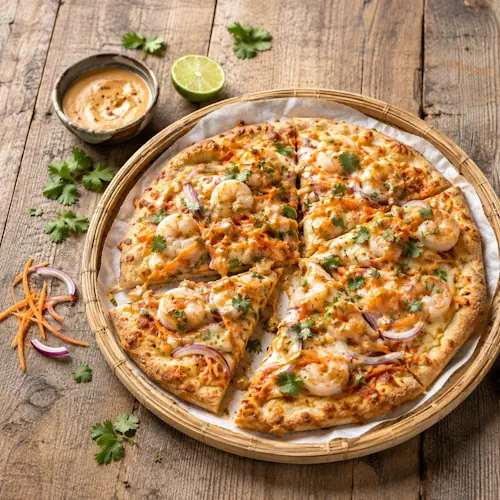
Thai Peanut Shrimp Pizza

Thai peanut shrimp pizza with mozzarella, carrots and cilantro

Thai Peanut Shrimp Pizza

A vibrant fusion pizza topped with juicy shrimp, creamy Thai peanut sauce, mozzarella, red onion, carrots, cilantro, and chilli flakes. Sweet, savoury, fresh, and gently spicy.
Couverts4 servings
Preparation 20 minutes
Preparation time:15 minutes
estimated costs pp $4.00
Deel op Facebook Print Recipe

Equipment

  • Baking sheet
  • Knife
  • Mixing bowl
  • Pastry brush
  • Pizza Cutter

Ingredients

For the Pizza Base

For the Toppings

Instructions

For the Pizza Base

  • Preheat the oven to 425ยฐF (220ยฐC).
  • Place the gluten-free pizza crust on a baking sheet.
  • Brush the surface of the crust evenly with olive oil.

For the Toppings

  • Combine the shrimp, Thai peanut sauce, and tamari in a mixing bowl.
  • Toss until the shrimp are evenly coated.
  • Spread the shrimp mixture over the pizza crust.
  • Top evenly with the mozzarella, red onion, and shredded carrot.
  • Sprinkle with the red chilli flakes.
  • Bake for 12 to 15 minutes, until the crust is golden and the cheese has melted.
  • Remove the pizza from the oven and garnish with fresh cilantro.
  • Slice into 4 equal portions and serve hot.

Notes & Wine Advice

Serving Suggestions

Serve the pizza with a Thai-style mango salad, cucumber salad, or lightly dressed shredded cabbage. Extra gluten-free peanut sauce can be offered on the side for dipping.

Recipe Notes

Use cooked shrimp that have been thoroughly drained and patted dry. Excess moisture can make the pizza crust soggy. Check that the crust, peanut sauce, and tamari are all certified gluten-free when preparing the pizza for someone with coeliac disease.

Variations

Add sliced bell pepper, bean sprouts, spring onion, or chopped peanuts. Reduce the chilli flakes for a milder pizza or add fresh chilli for more heat. Cooked chicken can replace the shrimp when a seafood-free version is preferred.

Storage

Store cooled leftover pizza in an airtight container in the refrigerator for up to two days. Reheat in the oven until thoroughly hot and the crust is crisp. Avoid reheating the pizza more than once.

Wine Advice

A crisp Riesling balances the chilli heat and complements the sweet, nutty sauce. A fresh Sauvignon Blanc is another suitable choice with the shrimp and cilantro.

Nutrition values

Serving: 1 1/4 slize | Calories: 380 kcal | koolhydraten: 28 g | Eiwitten: 24 g | Vet: 18 g | Verzadigd vet: 6 g | Natrium: 980 mg | Suiker: 6 g
————————————————————————————————–

Thai peanut shrimp pizza combines the comfort of homemade pizza with the sweet, savoury and gently spicy flavours associated with Thai cooking. Juicy shrimp, creamy peanut sauce, melted mozzarella, crisp red onion and colourful carrot create a topping that is rich without feeling too heavy. Fresh cilantro and chilli flakes provide a bright finishing touch, making every slice aromatic, colourful and full of contrast.

A Colourful Fusion Pizza

This recipe is an easy way to turn a familiar family favourite into something more adventurous. The peanut sauce replaces traditional tomato sauce and gives the pizza a creamy, nutty foundation. Tamari seasons the shrimp with extra savoury depth, while mozzarella softens the stronger flavours and helps bind the toppings together.

Red onion brings a mild sharpness, and shredded carrot adds freshness, sweetness and a little texture. The cilantro should be added after baking so that its flavour stays bright. Chilli flakes are optional, but even a small amount provides a pleasant warmth that balances the sweet peanut sauce.

For more inspiration, explore the collection of pizza recipes, discover other satisfying main courses, or browse easy dishes prepared with the help of the oven.

How to Prevent a Soggy Pizza

Cooked shrimp can retain a surprising amount of moisture, so pat them dry thoroughly before mixing them with the tamari and peanut sauce. Use only enough sauce to coat the shrimp lightly. Too much liquid may prevent the crust from becoming crisp, particularly when using a thin gluten-free pizza base.

Preheating the oven fully is equally important. A pizza stone can produce a firmer base, but a sturdy baking sheet also works well. If the gluten-free crust is especially soft, bake it for three to five minutes before adding the toppings. This brief pre-bake gives the base more structure and helps it carry the shrimp, cheese and vegetables.

Because the shrimp are already cooked, avoid baking the pizza longer than necessary. Remove it once the cheese has melted and the crust is golden. Overcooking can make the shrimp dry or rubbery. Follow safe storage and handling practices for seafood as described in the FDA safe food handling guidance.

Serving and Variation Ideas

This Thai-inspired seafood pizza works well for a relaxed family dinner, weekend lunch or colourful party table. Serve it with a fresh cucumber salad, crunchy cabbage slaw or Thai-style mango salad. A squeeze of lime over the finished pizza adds acidity and makes the peanut flavour feel lighter.

For extra vegetables, add thinly sliced bell pepper, courgette or mushrooms. Bean sprouts can be scattered over the pizza after baking for crunch. To increase the heat, add sliced fresh chilli or a drizzle of sriracha. Chopped roasted peanuts also make an excellent garnish, although they should be omitted when serving anyone with a nut allergy.

Dietary Notes and Storage

To keep this recipe gluten-free, check the labels on the pizza crust, peanut sauce and tamari. Ordinary soy sauce commonly contains wheat and should not be substituted unless it is specifically labelled gluten-free. The recipe is naturally suitable for pescatarians and provides plenty of protein from the shrimp and cheese.

Store leftover Thai peanut shrimp pizza in an airtight container in the refrigerator for up to two days. Reheat individual slices in a hot oven or dry frying pan to restore the crisp base. Microwave reheating is convenient, but it will create a softer crust. For the best flavour and texture, add fresh cilantro only after reheating.


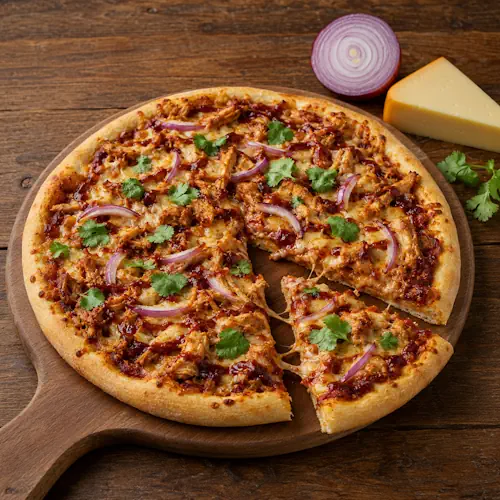
Smoky Gouda Chicken Pizza

Smoky Gouda chicken pizza topped with barbecue chicken, red onion and fresh coriander

Smoky Gouda Chicken Pizza

Smoky Gouda Chicken Pizza combines shredded chicken, barbecue sauce, smoked Gouda, red onion, and fresh coriander on a crisp gluten-free crust. It delivers a satisfying balance of smoky, savoury, sweet, and tangy flavours.
Couverts4 servings
Preparation 20 minutes
Preparation time:15 minutes
estimated costs pp $2.85
Deel op Facebook Print Recipe

Equipment

  • Baking sheet
  • Mixing bowl
  • Rolling Pin

Ingredients

For the Pizza Base

  • 1 large Gluten-Free Pizza Crust
  • 1 tablespoon Olive Oil

For the Toppings

  • 200 g Chicken Breast cooked and shredded
  • 150 g Smoked Gouda Cheese shredded
  • ยฝ medium Red Onion thinly sliced
  • 2 tablespoons Barbecue Sauce
  • 2 tablespoons Barbecue Sauce for drizzling
  • 2 tablespoons Fresh Coriander chopped

Instructions

  • For Preparing the Pizza
  • Preheat the oven to 425ยฐF (220ยฐC).
  • Place the gluten-free pizza crust on a baking sheet.
  • Brush the surface evenly with olive oil.
  • Combine the shredded chicken with 2 tablespoons of barbecue sauce in a mixing bowl.
  • Spread the barbecue chicken evenly over the pizza crust.
  • Sprinkle the smoked Gouda over the chicken.
  • Distribute the sliced red onion evenly over the cheese.
  • Bake for 15 minutes until the crust is golden and the cheese is melted and bubbling.
  • Remove the pizza from the oven.
  • Drizzle the remaining barbecue sauce over the pizza.
  • Garnish with the chopped fresh coriander.
  • Cut the pizza into four portions and serve warm.

Notes & Wine Advice

Serving Suggestions

Serve the pizza warm with crispy sweet potato fries, coleslaw, grilled corn, or a fresh green salad. Iced tea or homemade lemonade makes a refreshing non-alcoholic accompaniment, particularly when serving the pizza during summer.

Recipe Notes

Use fully cooked chicken and shred it into small pieces so it distributes evenly. Choose a barbecue sauce and pizza crust carrying a certified gluten-free label when preparing the recipe for someone with coeliac disease or a gluten intolerance.

Variations

Replace smoked Gouda with mozzarella, cheddar, Monterey Jack, or a combination of cheeses. Add sliced jalapeรฑos, sweetcorn, roasted peppers, mushrooms, or pineapple. Pulled pork or cooked turkey can replace the chicken.

Storage

Refrigerate cooled leftover pizza in an airtight container for up to three days. Reheat individual portions in the oven or air fryer until thoroughly hot and the crust is crisp. Avoid repeatedly reheating the same portions.

Wine Advice

A chilled Sauvignon Blanc provides fresh acidity that balances the smoky cheese and sweet barbecue sauce. A fruity Zinfandel is a suitable red wine when you want to emphasise the barbecue flavours.

Nutrition values

Serving: 1 pizza quarter | Calories: 400 kcal | koolhydraten: 35 g | Eiwitten: 28 g | Vet: 20 g | Verzadigd vet: 9 g | Natrium: 780 mg | Suiker: 8 g
————————————————————————————————–

About Smoky Gouda Chicken Pizza

Smoky Gouda Chicken Pizza combines tender shredded chicken, tangy barbecue sauce, smoked cheese, red onion, and fresh coriander on a crisp gluten-free base. The Gouda reinforces the smoky flavour of the sauce, while the onion adds sharpness and the coriander provides a fresh finish. Each bite balances savoury, sweet, smoky, and lightly spicy flavours.

This recipe uses fully cooked chicken, which keeps the preparation short and prevents excess moisture from collecting on the crust. It is a practical way to use leftover roasted or grilled chicken. One large pizza provides four portions and works well for a family dinner, pizza night, game day, or informal party.

Preparing the Gluten-Free Base

Gluten-free pizza crusts vary considerably in thickness and texture. Some are ready to top immediately, while others benefit from a short prebake. Follow the instructions supplied with your chosen crust when they differ from this recipe. Brushing it lightly with olive oil encourages browning and helps prevent the barbecue sauce from soaking into the base.

For people with coeliac disease or a serious gluten intolerance, check every packaged ingredient carefully. The pizza crust and barbecue sauce should carry reliable gluten-free labelling. Use a clean baking sheet, utensils, and preparation area to reduce the risk of cross-contact with ordinary flour.

Barbecue Chicken Pizza

Barbecue chicken pizza works best when the cooked meat is shredded into small, even pieces. Mixing the chicken with sauce before assembling the pizza distributes the flavour more effectively than simply pouring sauce over the top. It also helps keep the chicken moist during baking.

A little extra sauce is drizzled over the finished pizza, but avoid adding too much. Barbecue sauce contains sugar and can burn around the edges or make the crust soggy. If you prefer a homemade base with a different flavour, try our Spicy Southwestern Pizza Oil.

Why Smoked Gouda Works

Smoked Gouda melts smoothly and has enough character to remain noticeable beside the barbecue sauce. Its creamy texture balances the sharper red onion and the sweetness of the sauce. Shred the cheese before adding it so it melts evenly across the chicken.

Mozzarella produces a milder and stretchier topping, while cheddar creates a stronger savoury flavour. Monterey Jack is a good choice when you want a creamy cheese without pronounced smokiness. A mixture of Gouda and mozzarella offers both flavour and a familiar pizza texture.

Toppings and Easy Variations

Thinly sliced red onion softens in the oven while retaining a little texture. Fresh coriander should be added after baking so it remains bright and aromatic. Jalapeรฑos, sweetcorn, roasted peppers, mushrooms, or pineapple can be included when you want additional colour and flavour.

Cooked turkey or pulled pork can replace the chicken. For a vegetarian pizza, use black beans, roasted cauliflower, mushrooms, or a plant-based chicken alternative. You can also prepare a different crust with our Whole Wheat Pizza Dough when a gluten-free meal is not required.

Serving and Storage

Serve the pizza immediately while the Gouda is melted and the crust is crisp. Sweet potato fries make a natural accompaniment and reinforce the sweet and smoky flavours. Coleslaw, grilled corn, or a fresh green salad provides contrast. For another substantial pizza option, try our Chicago Deep-Dish Pizza.

Allow leftovers to cool before placing them in an airtight container. Refrigerate for up to three days and reheat individual portions in an oven or air fryer until thoroughly hot. Avoid leaving cooked chicken pizza at room temperature for longer than two hours.

Follow current FDA safe food-handling guidance when cooking, cooling, storing, and reheating chicken. With its quick preparation, flexible toppings, and distinctive smoked cheese, this pizza offers an easy way to turn cooked chicken into a satisfying family meal.